Heat-related Illness Myths: 5 Common Misconceptions That Could Delay Life-Saving Action
- CareBuddy
- 4 Mins Watch
- 22 Jul 2026
- Elderly Care

In Singapore’s hot and humid climate, heat-related illnesses can affect anyone. Seniors, however, are especially vulnerable because age-related changes can make it harder for their bodies to regulate temperature.
While many people know that staying hydrated is important, common misconceptions about heat injury can still delay treatment and increase the risk of serious complications.
Let’s separate fact from fiction.
Myth 1: Heat-related illnesses only happens outdoors.
Fact: Heat-related illnesses can happen indoors too.
Many people associate heat-related illnesses with exercising under the hot sun. In reality, seniors can also develop heat injury indoors, especially in warm or poorly ventilated environments. As we age, the body becomes less efficient at cooling down, while certain medical conditions or medications may further increase the risk.
Myth 2: Heat-related illnesses happens suddenly without warning.
Fact: There are often early warning signs.
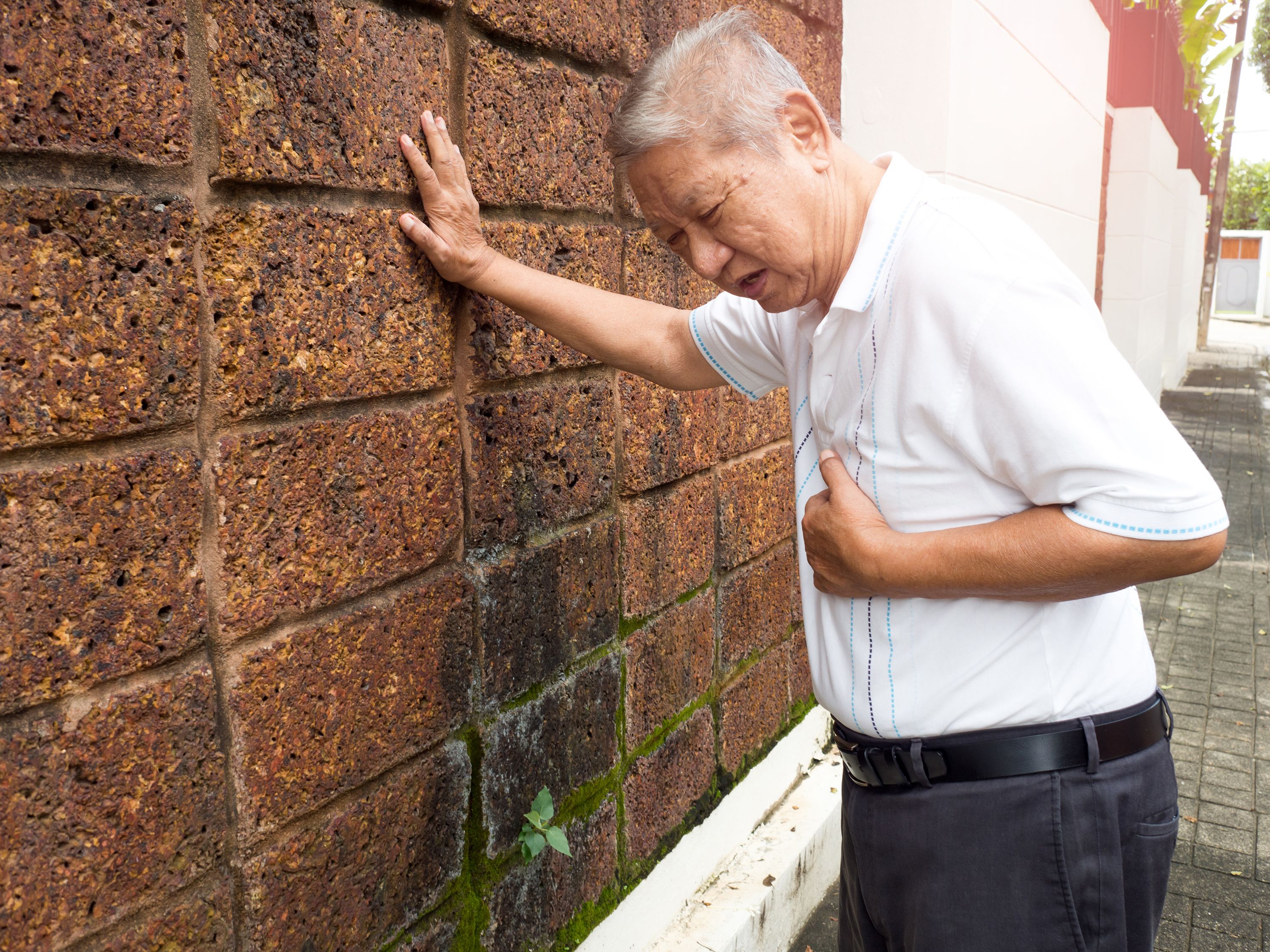
Heat-related illnesses can begin with mild symptoms before progressing into a medical emergency. Recognising the warning signs early allows you to act before the person’s condition worsens.
Symptoms such as thirst, headache or dizziness may seem minor at first, but they should never be ignored, especially in seniors.
Myth 3: Heat-related illnesses can't be prevented.
Fact: Simple daily habits can significantly reduce the risk.
Prevention is the best defence against heat injury. Drinking water regularly, staying cool and avoiding strenuous activities during the hottest part of the day can help reduce the risk of heat-related illness.
For caregivers, regular check-ins and close attention to changes in behaviour or alertness are equally important, especially during periods of prolonged hot weather.
Myth 4: If someone has heat injury, you should just wait for help to arrive.
Fact: Acting quickly can make a difference.
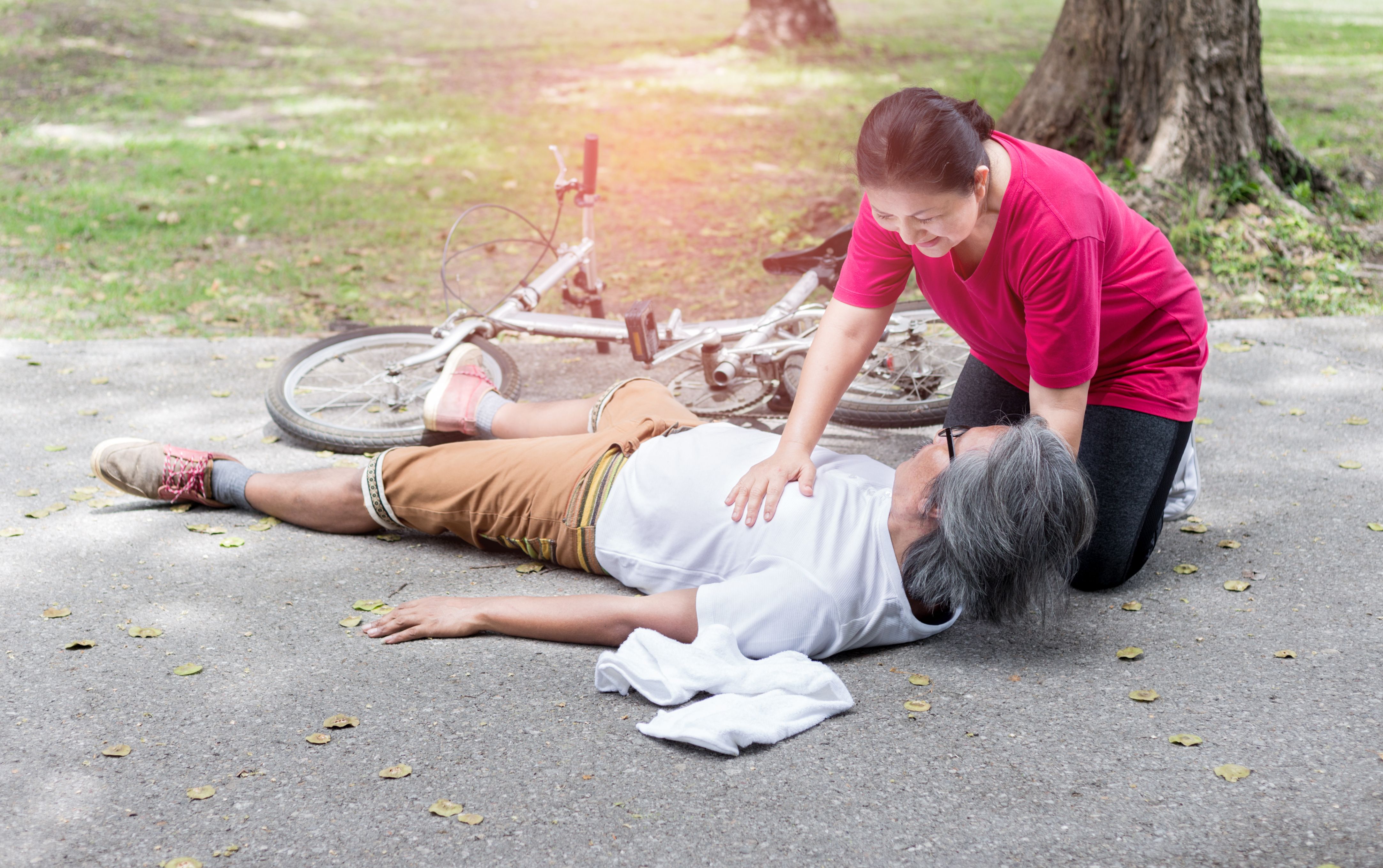
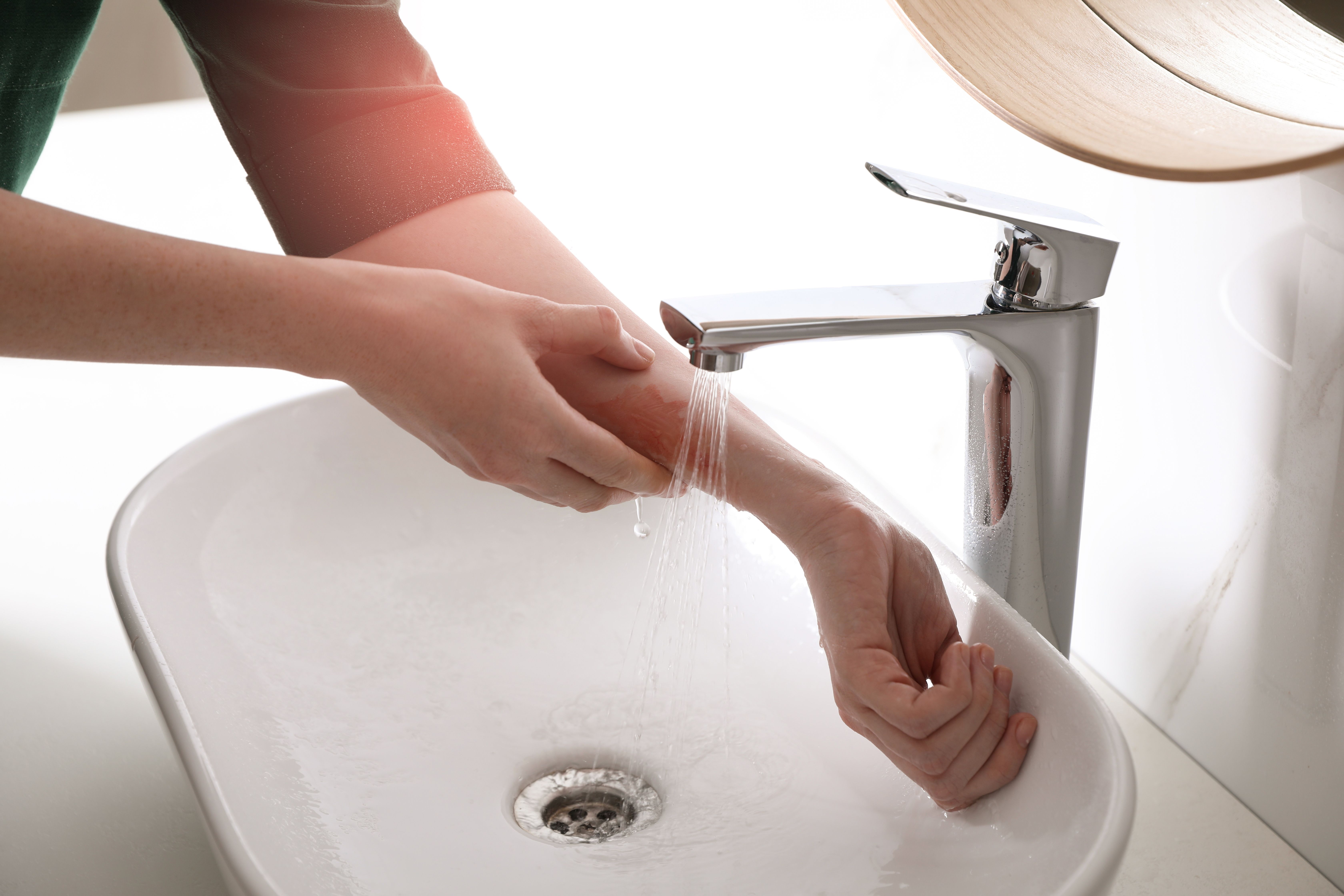
If you suspect someone is experiencing heat injury, do not wait for symptoms to become severe. Move the person to a cooler environment and start cooling measures promptly while waiting for emergency medical services.
It is also important to know when to call 995. Confusion, loss of consciousness, seizures or abnormal breathing are signs that immediate medical attention is needed.
Myth 5: First aid is only about CPR.
Fact: First aid starts with recognising an emergency and responding appropriately.
Many people think first aid only becomes relevant when someone stops breathing. In reality, recognising the signs of heat injury early and providing prompt first aid can help prevent the condition from becoming life-threatening.
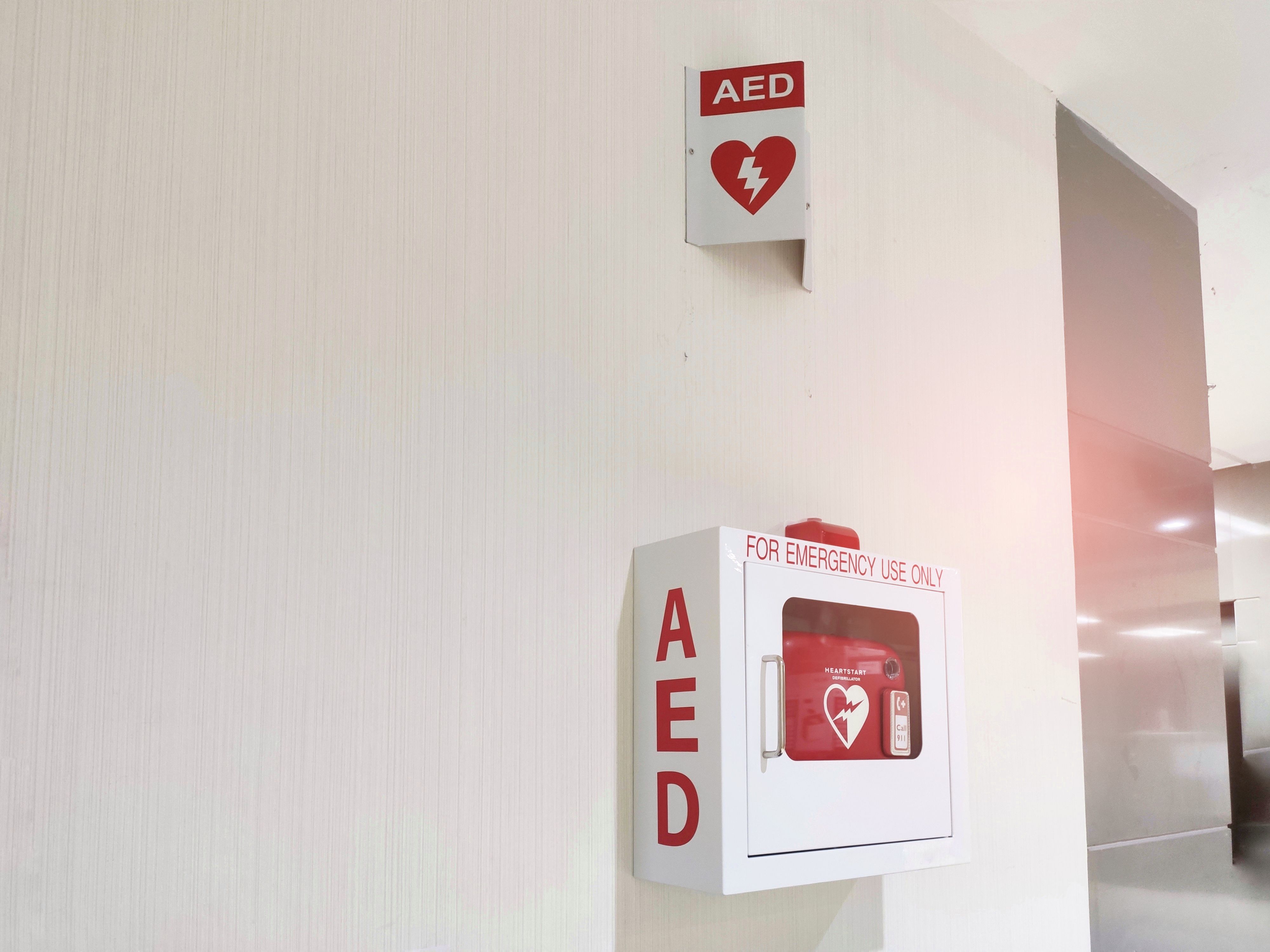
If a casualty becomes unresponsive and is not breathing normally, CPR and AED skills become critical while waiting for emergency medical services to arrive.
Stay Safe During Hot Weather
Heat-related illnesses can develop quickly, particularly in seniors and people with underlying medical conditions. By understanding the warning signs, taking preventive steps and knowing how to respond, you can help protect yourself and those around you during hot weather.
Whether you are caring for an elderly family member, neighbour or friend, recognising a heat emergency early and taking appropriate action could make all the difference.
Save This Guide for Later
Need a quick refresher? Download this visual guide to keep it handy or share it with family members and fellow caregivers.
Article reviewed by Soh Zi Wei, Manager, Community Health Academy, HMI Institute.
 Physical changes in vision of elderly care receivers